
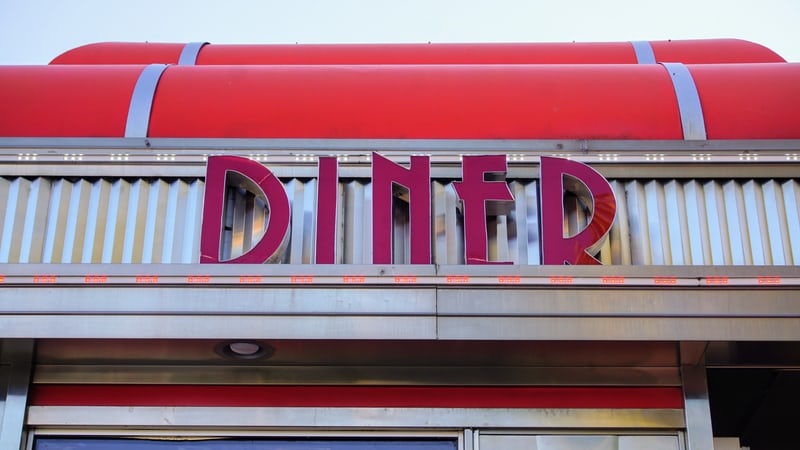
We all know the expression “86.” In today’s restaurant lingo it’s used as a verb meaning to leave off or delete an item or ingredient. As in, “Can you 86 the peppers on my Greek salad please?” But 86 actually started in the 1930s at the classic soda fountain. The term was used as a noun to denote running out of something. As in, “We are 86 chicken pot pie tonight.” And from there it morphed. In the 1950s, 86 underwent a functional shift becoming a verb used to refuse service to a customer! As in, “Eighty-six that guy. He has been overserved.” This new meaning was uttered by bartenders in the process of cutting off drunken patrons. The actual etymology of 86 is unclear, but a widely accepted explanation is that the word was rhyming slang for “nix.”

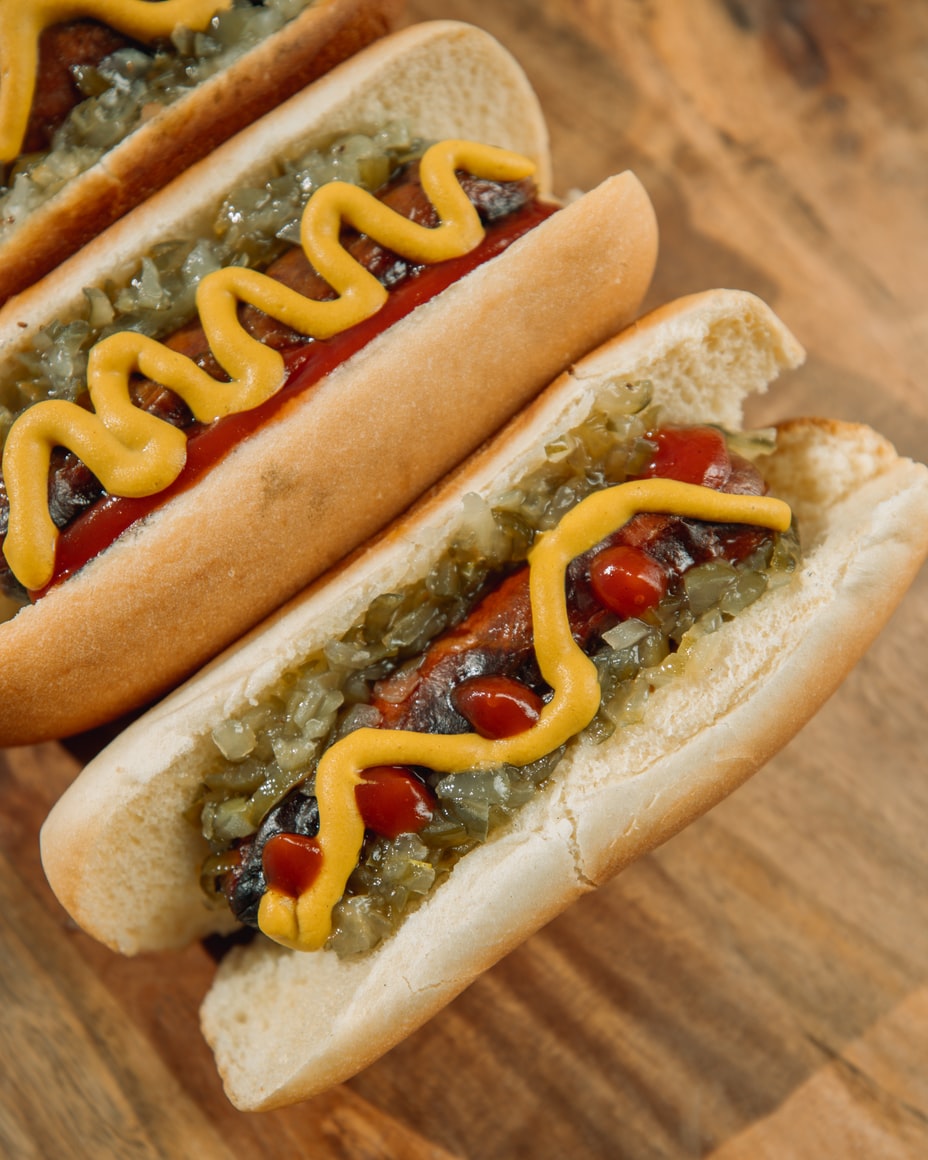
If you’ve ever been to a diner, you’ve heard all sorts of hilarious lingo. Often times the busy waitstaff are barking orders into a microphone or right at the line cooks. And from close range it’s possible to observe the counter culture of diner dialect. Sometimes they begin with a loud blast of “Ordering!” so that they have the attention of the kitchen. The kitchen then responds with a slight ding of a bell when the order is “up” or ready to serve. If someone happens to shout, “on the fly,” “give it shoes,” or “with wheels” after the food is requested, that signals to the cooks that the order should be packed as takeout. At an all hot dog joint I once heard the waiter scream, “Two all day to boogie!” This meant two hot dogs with “the works” to go. Still makes me smile thinking of the waiter doing a little shimmy shake as he said the words “to boogie.”
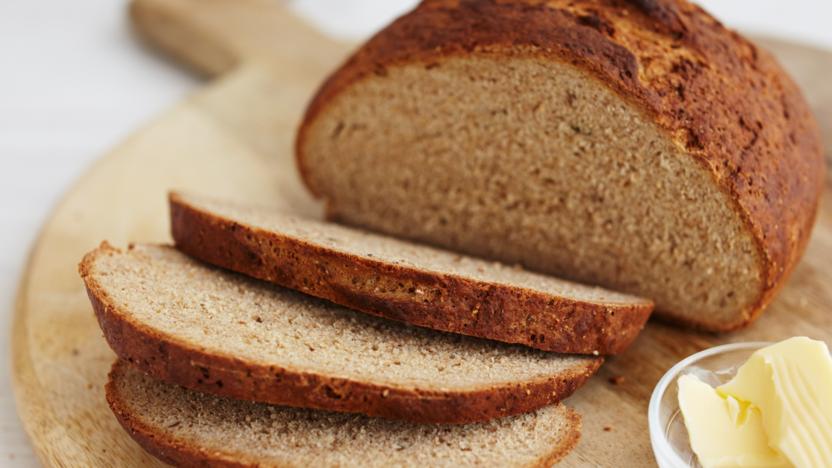
We all know toast is probably the most common food ordered in a diner and since white and rye sound similar when yelled quickly, rye became “whiskey.” And to toast the bread the word “down” was used since they had to push the button on the toaster. So “whiskey down” became rye toast.
“Burn the British” is a toasted English muffin, while “make it cry” means to add onions. A “stack” is an order of pancakes and a “short stack” can mean just one flapjack or silver dollar pancakes. In New York, “coffee regular” means with regular milk. If you want it black you have to say, “coffee black.” “Light and sweet” means with milk and sugar.
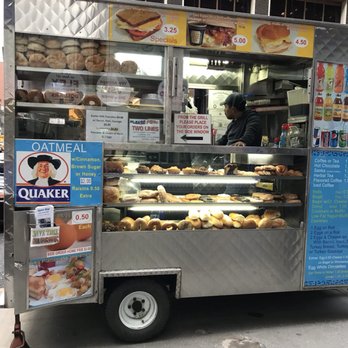
A “hockey puck” is a well-done burger and “paint it red” means to add ketchup. “Bronx vanilla” refers to garlic, while “cops and robbers” describes donuts and coffee. (Great, right?!) A “schmeer” is of course a bagel with cream cheese, but “on a raft” means on put the item on toast.

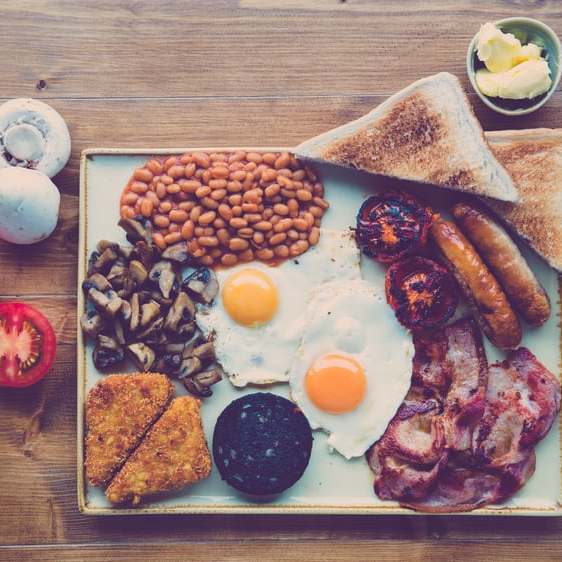
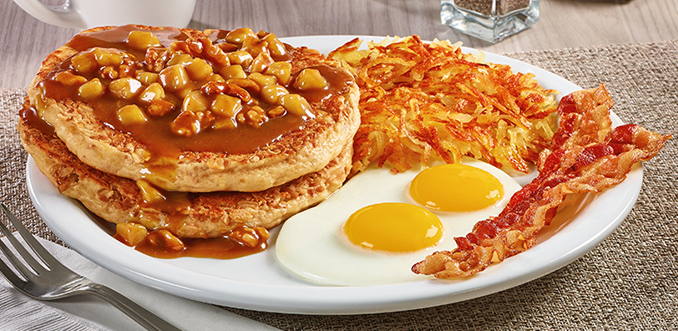
I love that when I visit London, a grilled cheese sammie is referred to as a “cheese toastie!” Doesn’t that sound so much more delicious?! “Rasher” is a slice of bacon, and “chips” are our French fries while “crisps,” are potato chips. “Eggy bread” is their word for our French toast and they always call our stove their “cooker.” No matter what words they use, check out a real English Breakfast– eggs, toast, beans, roasted tomatoes, mushrooms, sausage, and of course a rasher or two. Not exactly our version of a Grand Slam Breakfast from Denny’s but impressive nonetheless!
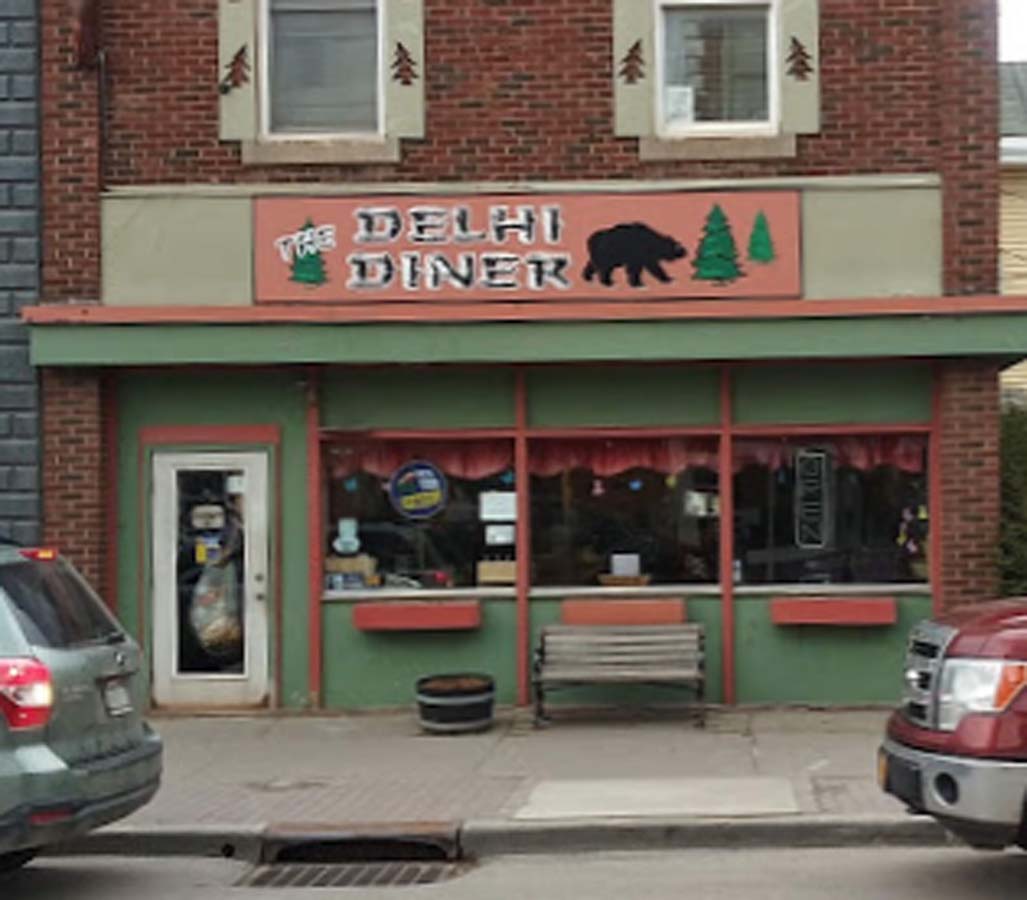
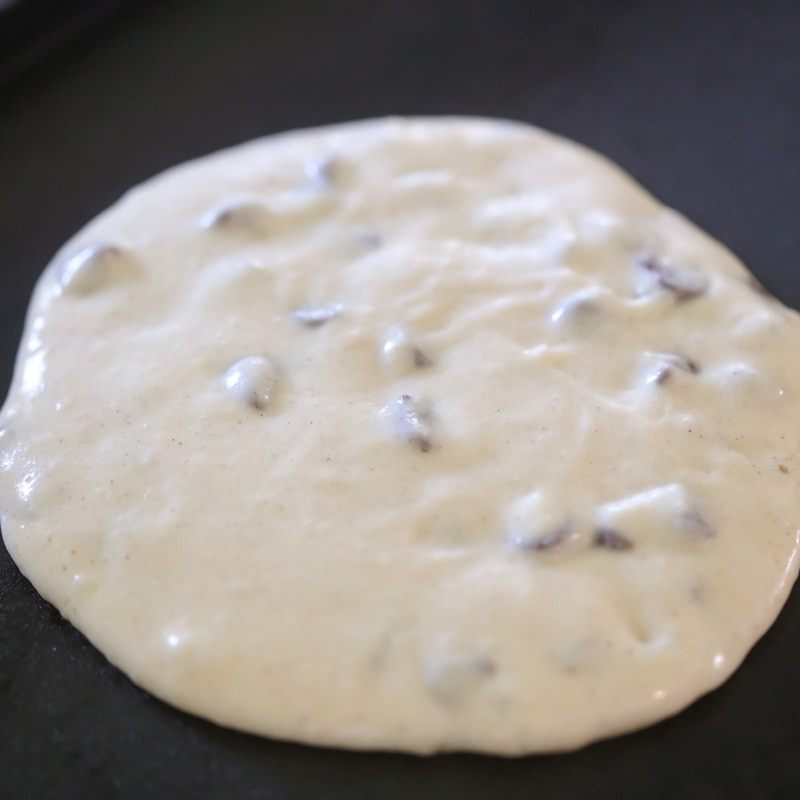
Closer to home, my favorite diner is in Upstate New York in the town of Delhi. The good ol’ Delhi Diner makes a mean omelet, has fabulous sandwiches, and their bacon is all-world crispy. I once sat at the counter with my bestie Anita and we each ordered a hot chocolate and split one huge chocolate chip pancake.
The order went into the kitchen as “stack one chips.” It was divine! The best part about the meal was that our check was $3. Not $30 like it would have been in my neighborhood, just three! Each hocho was 75 cents and the pancake cost us a whopping $1.50. So I covered the check with a crisp ten spot right under my water glass (how could I give any less??) and thanked our waitress for the breakfast of champions.
And that’s the kind of counter culture that keeps all of us coming back to the diner for a refill– great food, friendly service, and prices we can afford. Order up!


 jenslittleblackbook.com