

Try as you might, you cannot prevent an argument with an emotionally immature person. As the mature one, it’s responsible of you to carefully communicate your delicate feelings to your loved one so that they don’t feel attacked, or choose to shut down, leave, or create temporary or permanent distance between the two of you. But you can’t control nor are you responsible for their reactions. In most cases you can’t even predict what they might say or do, even if they accuse you of saying or doing something specifically just to get a reaction from them. When it’s obvious from their words that they can’t comprehend that speaking from the heart has to do with the speaker and not the audience, you’re at a particularly difficult impasse.

It’s great to have the goal of productive, respectful conversations instead of all communications having the potential to turn into an argument. But does your loved one also share this goal? Or do they bully, finger point, name call, rally the troops against you, or turn the tables when you try to express your vulnerability or your feelings? Are they concerned with you feeling safe and valued enough so that you can occasionally bring up a hurt or a concern and feel heard and understood? Or do they criticize you for pretending to be a victim? Are they interested in deescalating conflicts by learning about their own triggers or their shame or their obvious defensiveness? Because avoiding triggers or blaming someone else isn’t healing. Healing only comes when you’re able to move through the pain and change the pattern to secure a different ending. Forgive, learn, let go, and move on.

Are they interested in taking accountability for their actions and repairing any unintentional hurt they have caused you? Are you even able to finish a sentence if something you say triggers them? Do you feel hopeless and humiliated by their retaliation when you plainly try to share your feelings, still convinced that open communication will surely repair the perceived confusion?
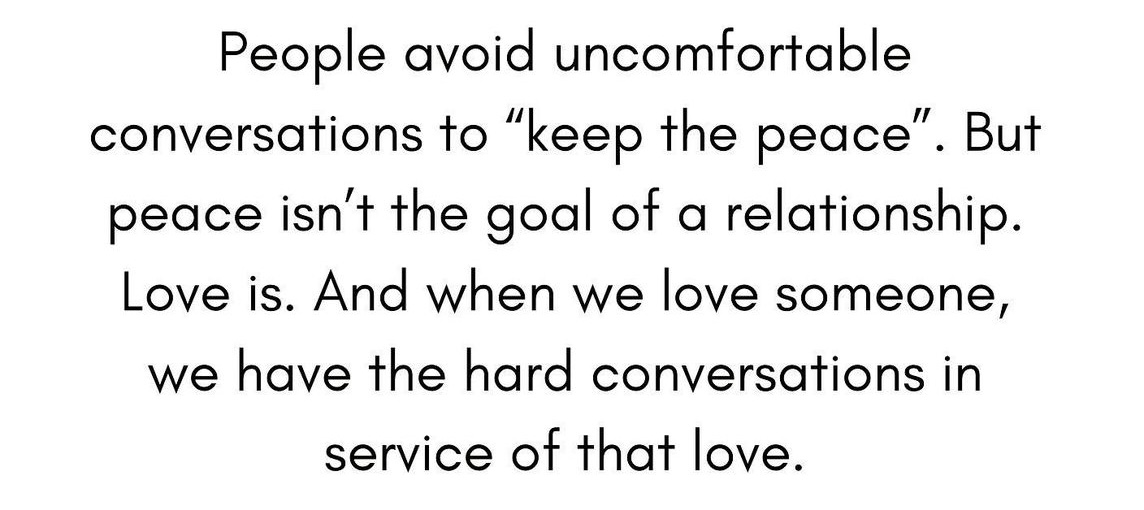
If it seems like you’re playing by two different sets of rules, you’re right. This probably isn’t the first time you’ve thrown yourself under the bus and apologized first just to keep the peace, afraid that they will abandon the conversation or in the extreme, the relationship. And it’s most likely the case that this isn’t the first time that you’ve been blamed for their reactions whether by them or even by yourself– which is heartbreaking and wrong. Their reaction isn’t your responsibility.

It’s always best to lead with respect and kindness instead of passive aggressiveness, criticism, and blame. But you can do all of that while being sensitive to their needs, and they may still react in an immature or destructive way that derails your efforts and ultimately undermines the relationship. That’s not your problem to solve. It’s actually theirs.

But you’re not powerless to remove the knife from your heart. You can still forgive them even absent an apology. Emotional maturity is indeed a heavy burden to carry. But have faith that time and life experience will shed light on their emotional state and that eventually they will emerge with a better sense of self-awareness and humility. And that love will return and blossom once again. And when it does, welcome them back with an open heart, understanding that although you’ve been hurt, their journey back to you was challenging, too.


 jenslittleblackbook.com